How to Approach Tree Branch Trimming Safely and Effectively
Tree branch trimming is one of those tasks that looks simpler than it really is. A homeowner sees a few dead limbs hanging over the roof or rubbing against power lines and figures a pole saw and an afternoon will sort it out. But the reality is that trimming a tree properly takes planning, the right tools, and a clear understanding of how a tree responds to cuts. Done right, it keeps the tree healthy and your property safe. Done wrong, it can leave a tree vulnerable to disease or create a hazard that shows up years later.
Why timing matters more than you think
When you trim has a big effect on how well the tree recovers. Most trees benefit from pruning during the dormant season, typically late winter before spring growth starts. At that point the tree is resting, so cuts heal faster and there is less risk of pest infestation or fungal infection. Some species, like oaks and elms, have specific windows when they are less likely to attract disease-carrying insects. Trimming them during the wrong season can lead to serious problems. On the other hand, dead or damaged branches should be removed as soon as you notice them, regardless of the calendar. Waiting only gives the problem time to spread. Jasper Tree Removal
There is also a practical side to timing. In winter the leaves are gone, which makes it easier to see the branch structure and spot weak crotches or crossing limbs. You get a clearer picture of what needs to go. For flowering trees, the rule of thumb is to prune right after they bloom so you do not cut off next year's flower buds. A little research on the specific tree species in your yard goes a long way.
What to look for before you start
A good trim starts with a walk around the tree. Look for branches that are dead, diseased, or damaged. These are the obvious candidates. But also check for limbs that rub against each other, grow inward toward the trunk, or form a narrow V-shaped crotch. Those weak attachments are prone to splitting in wind or under heavy snow. Branches that hang over the house, driveway, or walkway deserve attention too, especially if they show any signs of weakness.
Pay attention to the overall shape of the tree. You are not trying to reshape it into something unnatural. The goal is to work with the tree's natural form while removing what does not belong. Overthinning a tree, sometimes called lion tailing, strips too many inner branches and leaves all the weight at the ends of the limbs. That makes the tree more likely to break in a storm. A good trim keeps the canopy balanced and open enough for air to move through.
The right cut matters
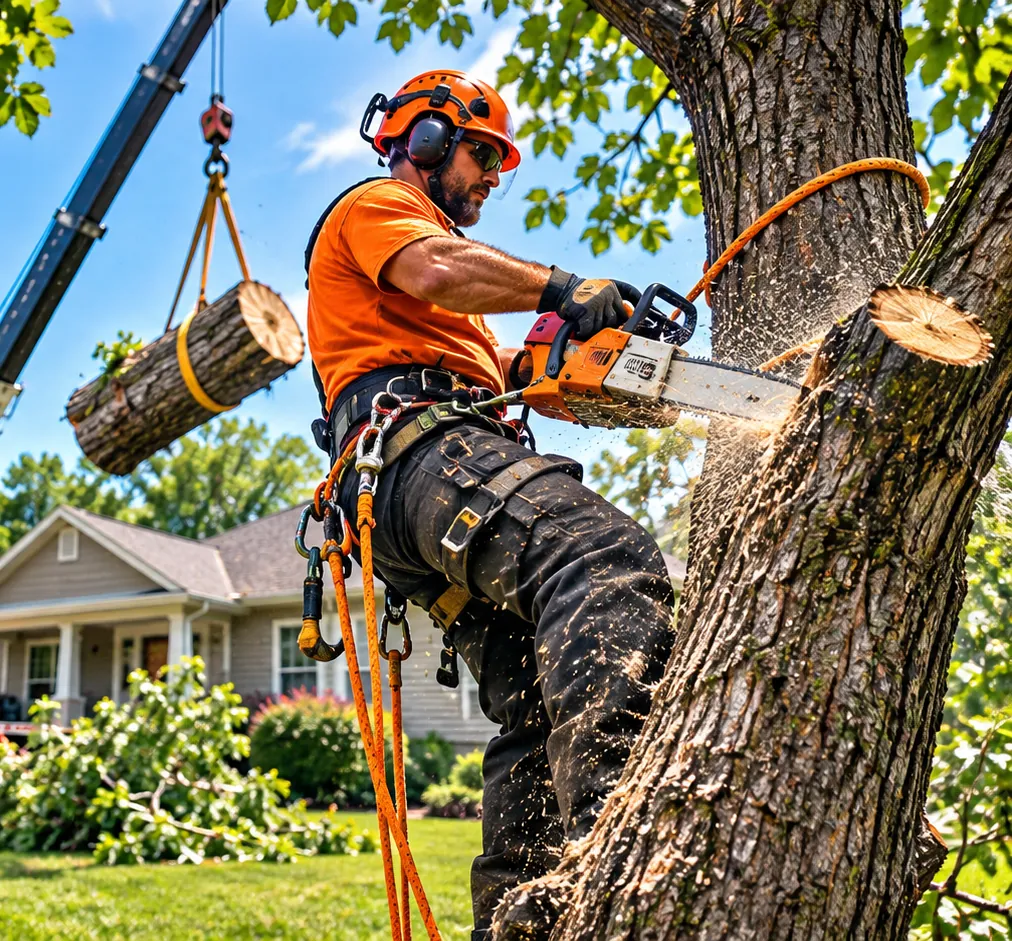
Where and how you make the cut determines how the tree heals. The old advice about painting wounds with tar or sealant has been largely abandoned by arborists. Trees seal off their own wounds if the cut is made correctly. The key is to cut just outside the branch collar, the swollen ring where the branch meets the trunk or a larger limb. Cutting too close, called a flush cut, removes the collar and makes it hard for the tree to close the wound. Cutting too far out leaves a stub that dies back slowly and invites decay.
For larger branches, a three-cut method prevents the bark from tearing. First, make an undercut a foot or so from the trunk, cutting about a third of the way through. Then make a top cut a few inches farther out, which lets the branch fall cleanly. Finally, make the finishing cut at the branch collar. This technique takes a little practice but it protects the tree from the kind of damage that can take years to recover from.
When to call in professionals
Not every trimming job is a do-it-yourself project. Branches near power lines are a clear reason to step back. The risk of electrocution or a fall is not worth the savings. Likewise, any branch that is too high to reach with both feet on the ground or with a stable ladder is better left to someone with the right safety gear and training. Climbing a tree with a chainsaw in one hand is a fast way to get hurt.
Large limbs, anything thicker than your arm, can also be dangerous. They are heavy and unpredictable when they fall. A branch that looks manageable can swing back or drop straight down onto the person cutting it. Professionals have rigging techniques to lower branches safely, which keeps people and property out of the line of fire. For these jobs, Jasper Tree Removal offers residential and light commercial services that cover everything from climbing and rigging to stump grinding and storm cleanup. Their crews are equipped to handle the kind of trimming that requires more than a ladder and a saw.
Common mistakes to avoid
Topping a tree is one of the worst things you can do. Cutting the main leader or the upper crown back to stubs stresses the tree badly and forces weak, fast-growing shoots that are prone to breaking. Topping also leaves large wounds that may never heal properly. Unfortunately, it is still common among unqualified tree workers. A proper trim never removes more than about a quarter of the live canopy in one season. Going beyond that puts the tree under serious stress.
Another mistake is trimming purely for convenience. Cutting branches just because they hang over the fence or block a view can ruin a tree's structure. Sometimes the better solution is to plant a different species in that spot and work around the existing tree until it can be removed. Pruning should always start with a clear reason, not just a desire to cut something back.
Tools and maintenance
Sharp tools make a difference. A dull blade crushes the bark and leaves a ragged wound that heals slowly. Hand pruners work for small branches up to about half an inch thick. Loppers handle branches up to an inch and a half. For anything larger, a pruning saw or chainsaw is the right tool. Keep blades clean and sharp, and wipe them down between trees if you are moving from one yard to another. This simple step reduces the chance of spreading diseases like oak wilt or fire blight.
If you are working from the ground with a pole saw, be mindful of the saw's reach and the branch's weight. A long pole changes the leverage and makes it easy to lose control of where the branch falls. Wear eye protection, gloves, and a hard hat if there is any chance of debris falling from above.
Keeping the yard clean afterward
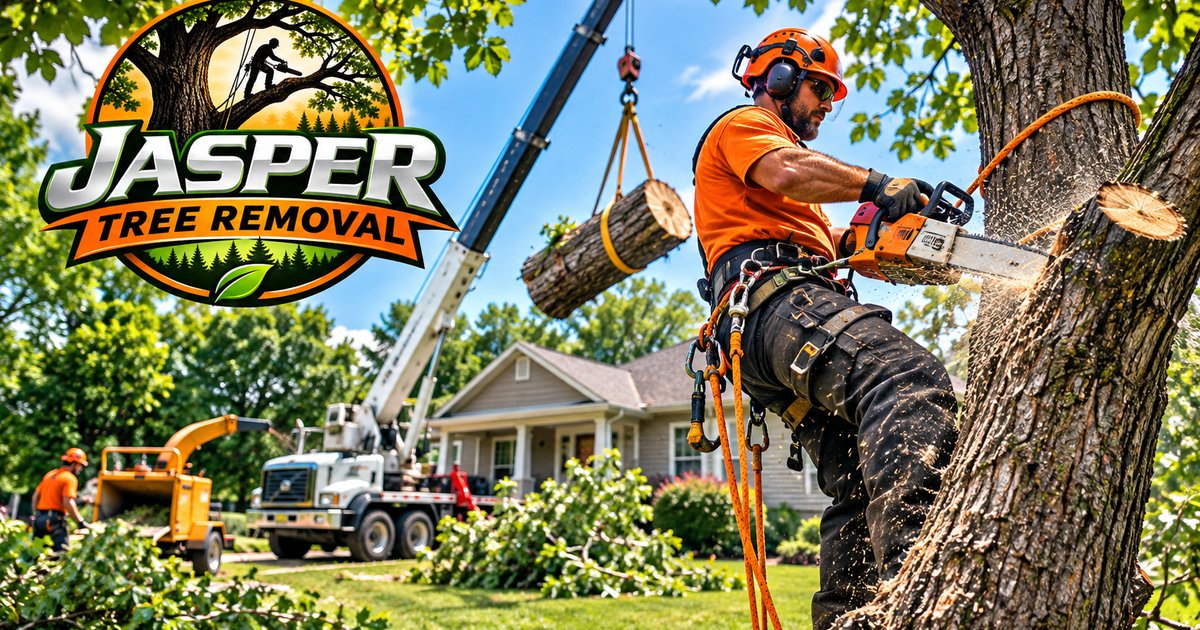
Once the trimming is done, the cleanup matters. Branches on the ground can be chipped, hauled away, or cut into firewood. Leaving piles of debris around the base of the tree can attract pests or create a fire hazard. If the volume of debris is more than you want to handle, a service that includes hauling and grinding stumps can make the whole job easier. Companies like Jasper Tree Removal often bundle trimming with cleanup, so the yard is left in good shape.
Take a moment after the work is finished to look up at the tree. The canopy should look balanced, with no large gaps on one side. If you can see sunlight filtering through in a way that looks even, the trim likely did what it was supposed to do. A well-trimmed tree not only looks better but also stands a better chance of surviving wind and weather for years to come.
Jasper Tree Removal on social media
 Twitter
 Instagram
 YouTube